Bird flu Australia 2026 latest information updated 11 October 2026
Cases of the H5 bird flu continue to rise in Australia, with authorities announcing further confirmed cases across the country.
The Australian Government’s national dashboard reported 700 confirmed wildlife events as at 9 October.
On 7 October, national authorities approved a response plan with up to $30 million in shared funding for preparedness and wildlife conservation. Readers can follow the latest totals on the official national dashboard.
RELATED: Can cats and dogs catch bird flu?
How pets may be exposed, symptoms to watch for and practical ways to reduce risk. Australian Government pet advice →
Bird flu symptoms in birds, pets and humans
Birds with avian influenza may show sudden death, swelling, breathing difficulty, diarrhoea, reduced egg production or neurological signs. In cats and dogs, possible signs include fever, lethargy, loss of appetite, respiratory illness or neurological symptoms. Human infections are rare but can cause conjunctivitis, fever, cough or other flu-like symptoms after exposure to infected animals. Avoid touching sick or dead birds, keep pets away from wildlife carcasses, and contact a veterinarian or public health authority for advice after a suspected exposure.
RELATED: Victoria delays poultry welfare reforms
The state has postponed new poultry welfare regulations until mid-2027 while maintaining its 2036 conventional cage phase-out commitment. Read the Victorian Government announcement →
Bird flu Australia 2026: earlier updates:
There’s been three new detections of the H5 bird flu in NSW, with authorities confirming the latest positive cases are on the state’s South Coast.
This brings the NSW bird flu updated total to 25.
The latest detections involve greater crested terns at Batemans Bay and Broulee, and a silver gull at Eden.
The 10 September update follows recent detections at Warriewood on Sydney’s Northern Beaches, Port Kembla and Corindi near Coffs Harbour.
NSW authorities report no detections in commercial poultry flocks, captive birds or livestock. They continue to assess human health risk as low.
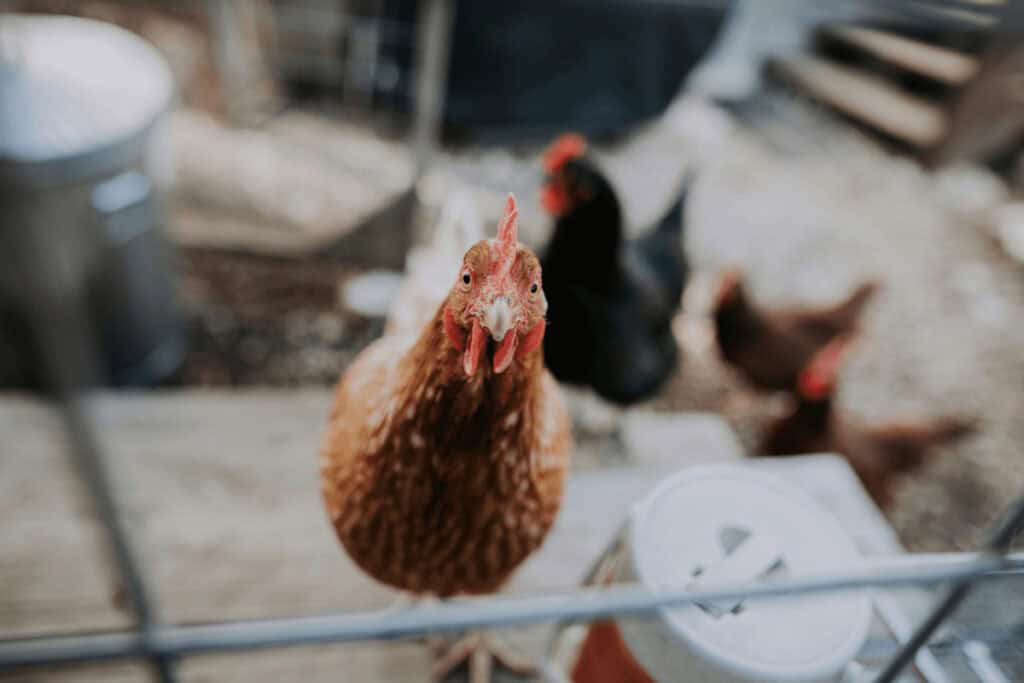
For people keeping backyard chickens or pet birds, the advice centres on preventing contact with wild birds and contaminated materials.
Where has H5 bird flu been detected in NSW?
The South Coast remains the main location for NSW’s reported events, according to the state government’s latest advice.
Additional greater crested terns also test positive within existing events, the September 10 announcement says.
NSW Chief Veterinary Officer Dr Jo Coombe says further detections are expected while H5 circulates among wild birds.
“We are asking the public not to handle sick or dead birds,” Dr Coombe says.
Authorities count investigations involving one or more animals as events. The total does not represent individual infected birds.
It also identifies detections at Port Kembla and Corindi, including NSW’s first confirmed H5 detection in a Hutton’s shearwater.
Bird flu vaccinations
The state is rolling out targeted bird flu vaccinations for vulnerable birds, including little penguins at Manly and Barunguba Montague Island.
Authorities also urge dog owners to prevent their animals chasing wild birds or eating carcasses during beach and park visits.
How many bird flu events are confirmed in Australia?
The national dashboard records 504 confirmed wildlife events across six states as of 4pm AEST on September 9.
That figure predates NSW’s September 10 announcement. National and state totals can differ because reporting times vary.
How to protect backyard chickens and pet birds
The Australian Government’s guidance for bird owners recommends steps to reduce exposure:
- Separate your birds from wild birds using suitable housing or protective netting.
- Keep drinking water and feed protected from wild birds and pests.
- Clean and disinfect feeding equipment, water containers and bird enclosures.
- Wash your hands before and after handling birds, and keep footwear and clothing clean.
- Keep newly acquired birds separate from your existing flock for at least 30 days.
Watch for sudden deaths, breathing problems, swelling, unusual movements or a drop in egg production.
Contact your veterinarian or the Emergency Animal Disease Hotline if you suspect infection. Laboratory testing is needed to confirm bird flu.
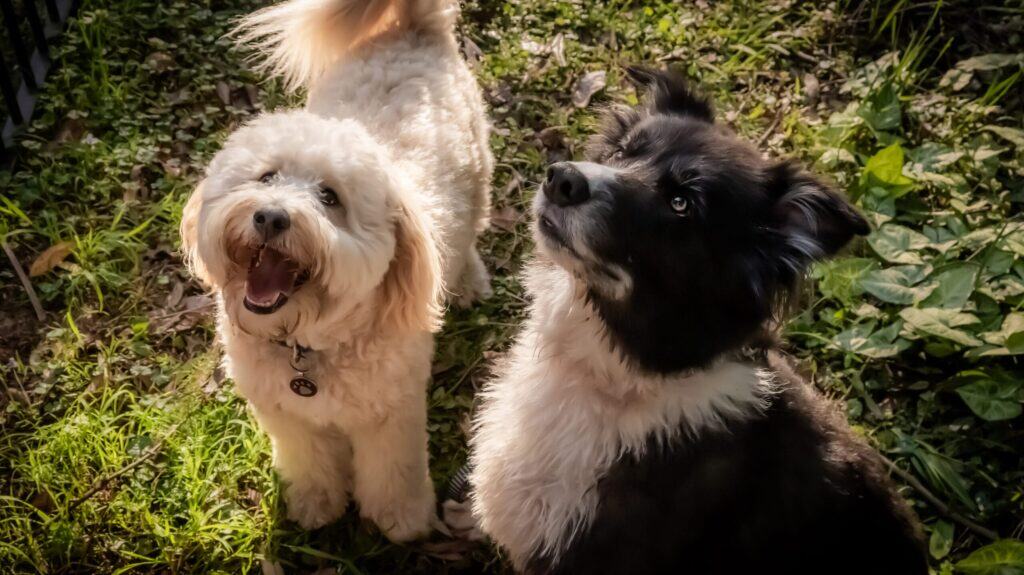
Can cats and dogs catch bird flu?
Cats and dogs can become infected, although the NSW Government describes the risk to Australian pets as low.
Keep dogs leashed near wildlife and prevent cats from roaming. Protect pet food and water from wild birds.
If your pet touches or eats a dead bird, contact your veterinarian for advice and monitor for illness.
Seek veterinary attention if your pet becomes unwell.
What to do if you find a sick or dead bird
Government wildlife advice asks people to keep their distance and avoid touching affected birds, feathers or droppings.
Keep children and pets away. Record the location and take photographs only when safe.
Call the 24-hour Emergency Animal Disease Hotline on 1800 675 888, or use the NSW Government’s reporting page.
Seek instructions before disposing of dead birds on your property. Leave animals found on public land where they are.
For the latest information on H5 bird flu, see the Australian Government’s national bird flu updates.