Teaching children kindness to animals does more than encourage compassion. It shapes how they understand, respect and interact with other living beings.
Early experiences with animals can influence children’s attitudes towards animal welfare and the choices they make throughout their lives. These lessons can help create a kinder world for animals, where their needs, emotions and wellbeing receive greater consideration.
But the benefits extend beyond animals. Research into human–animal relationships highlights the profound role animals can play in children’s emotional, social and psychological development. Through these connections, children can learn empathy, responsibility and respect for others.
This in-depth feature explores both sides of this relationship, drawing on insights from experts in childhood development, human–animal relationships and animal welfare.
Professor Vicki Hutton offers insight into the importance of children’s relationships with animals and their potential developmental benefits. Suzanne Milthorpe provides an animal welfare perspective, examining how education and compassion can influence the way future generations treat animals.
Why we should teach children kindness to animals
Children learn about animals through the behaviour they see around them. When adults handle pets gently, respect wildlife and respond to an animal’s discomfort, they demonstrate that animals deserve consideration.
The aim is not simply to encourage affection for animals. Children also need to understand that animals have interests independent of what people want from them.
Suzanne Milthorpe, Head of Campaigns at World Animal Protection Australia, says teaching kids to be kind to animals early is an important took to create generational change in society’s approach to animal welfare.
“Teaching children about animal protection and welfare early on has the potential to create a lasting impact on how we view and approach animal welfare as a society.
By instilling kindness and empathy towards animals at a young age, we can shape a future where animals are treated with the respect and compassion they deserve.
Suzanne Milthorpe, World Animal Protection Australia
An example Suzanne uses is the millions of farmed and wild animals that are being used in industries such as intensive farming.
“Educating children about their welfare is critical in working towards a better world for them,” she says.
“It encourages children to be informed about their choices, and how these choices can impact animals and our environment.
“This means that young people today have the power to begin a journey of change that can eventually improve the lives of million animals,” she adds.
“Leading to a more compassionate and sustainable world.”
Milthorpe says there’s simple actions families can do to promote and encourage children to make animal-friendly choices.
Including making wildlife-friendly choices while travelling and shopping. Or learning about the challenges animals face by engaging in local wildlife protection initiatives.
These activities, Milthorpe adds, are vital in forming a child’s understanding of, and empathy for, animals.
“We see the younger generation as the driving force behind a more compassionate and responsible world.
“They’re not just the future; they’re the present, making a real difference today through awareness, and ethical consumer and lifestyle choices.
“We hope to continue to support and work alongside young change-makers, because together, we’re creating a future where animals are treated with the kindness and respect they deserve.”

Profound impact of the bond between children and animals
Relationships with animals may offer children opportunities to practise empathy, responsibility and communication. However, the benefits vary between children and families, and having a pet does not automatically improve wellbeing.
Professor Vicki Hutton says animals can also influence emotional growth, such as empathy.
While the ‘attachment theory’ traditionally began with the mother and child bond, Prof Hutton says it’s also been used psychologically in the human-animal relationship, including with children.
Attachment to an animal can play a critical role in a child’s psychosocial stages of development; this has been documented by historical psychological figures Erik Erikson and John Bowlby.
“For example, within the context of Erik Erikson’s stages of psychosocial development, attachment to an animal can contribute to areas such as purpose (ages three to five) and competency (ages five to 13).
“Looking at it in terms of Bowlby’s attachment theory, animals can provide children with unconditional love as well as a safe haven during times of stress or the unknown.
The child can venture out into the world, knowing that their animal will always provide an anchor, or safe haven, when they return.
Professor Vicki Hutton
“Robert Weiss built on attachment theory when identifying six psychosocial needs,” she adds.
“Weiss listed attachment, social integration, nurturance, reassurance of worth, reliable alliance and guidance in stressful situations.
“All of which can occur when a child is attached to an animal.”
These relationships work best when the animal’s welfare is protected. Adults remain responsible for meeting the animal’s physical, social and emotional needs.
When are children ready for a pet?
Actually, the question should be are you ready for a pet?
Because children model their behaviour off adults, there are important considerations for families thinking about introducing an animal into their home.
Before adopting a pet, adults should consider time, costs, housing, veterinary care and the animal’s long-term needs. A child’s enthusiasm cannot replace an adult’s commitment.
“Children will learn from the way adults treat animals,” says Hutton.
“So, it is very important not to take on an animal if he or she is going to be emotionally or physically neglected or abandoned.
“That does not teach children responsibility and can have long term consequences for the animal and the child’s perceptions of the role of animals.”
“Animals are not commodities to be used for company or entertainment then put away until needed again.
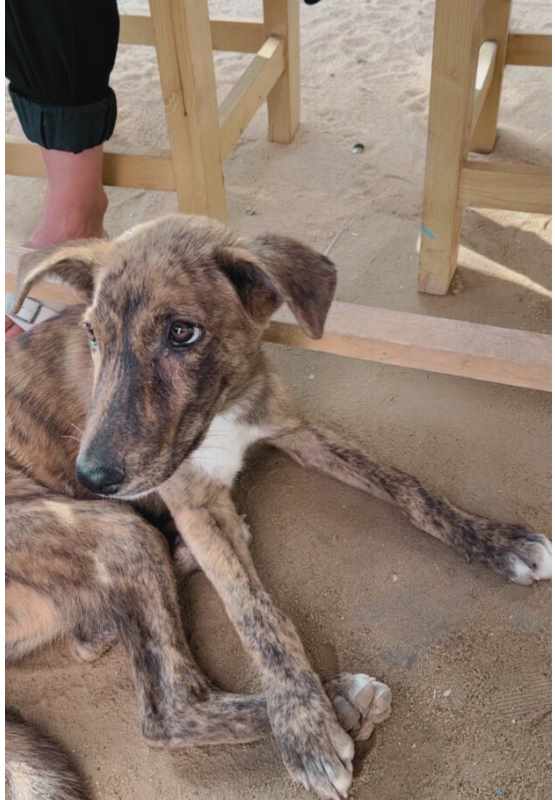
“Cute puppies and kittens grow into unique individuals who deserve to have their needs met for the next 10, 15 or 20+ years.”
Hutton explains how behavioural issues such as separation anxiety, barking and anxiety-related aggression can all result in animals being relinquished when they grow out of the cute phase and assert their basic needs.
Does your family need a pet to teach empathy?
No. Children can develop respect for animals without living with one. Visiting reputable sanctuaries, participating in supervised conservation activities or reading about animal behaviour can provide learning opportunities.
Teaching children to respect pets and their boundaries
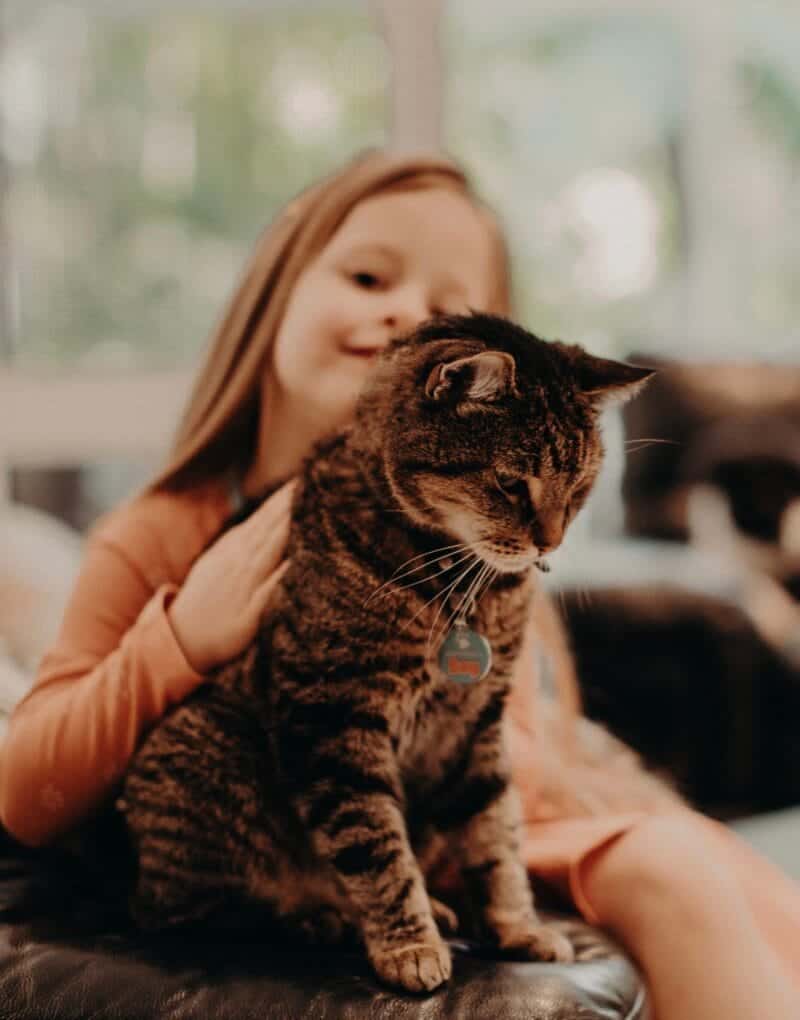
A child may want to cuddle a dog or pick up a cat, but the animal may not welcome that interaction. Teach children to pause, observe body language and allow animals to move away.
Explain that a wagging tail does not always mean a dog is relaxed. Stiff posture, attempts to escape, growling or hiding can indicate discomfort. Children should never approach unfamiliar animals without an adult’s guidance.
Supervise interactions between young children and pets. Give animals quiet places where they can rest without interruption.
How to educate children about animals
Children’s books and television programs about animals can be more than just entertainment; they can be educational.
And while we don’t often think of documentaries as children’s viewing, they can, in fact, be incredibly impactful when it comes to issues about animals, nature, or the environment.
Suzanne says encouraging children to watch documentaries, or read a book about animals, is a great way to develop their understanding of different animal species’.
“These stories, which depict animals with emotions and personalities, help children relate to them on a deeper level,” explains Suzanne.
“Choosing media that portrays animals in a respectful and empathetic light can subtly reinforce the values of animal kindness.”
And, to actively engage children in animal welfare, World Animal Protection Australia provides free educational resources and activities.
Kids can access interactive animal books along with information on volunteering, and ways to get involved in campaigns, fundraising, and community events.
Helping kids understand farm animals and wildlife
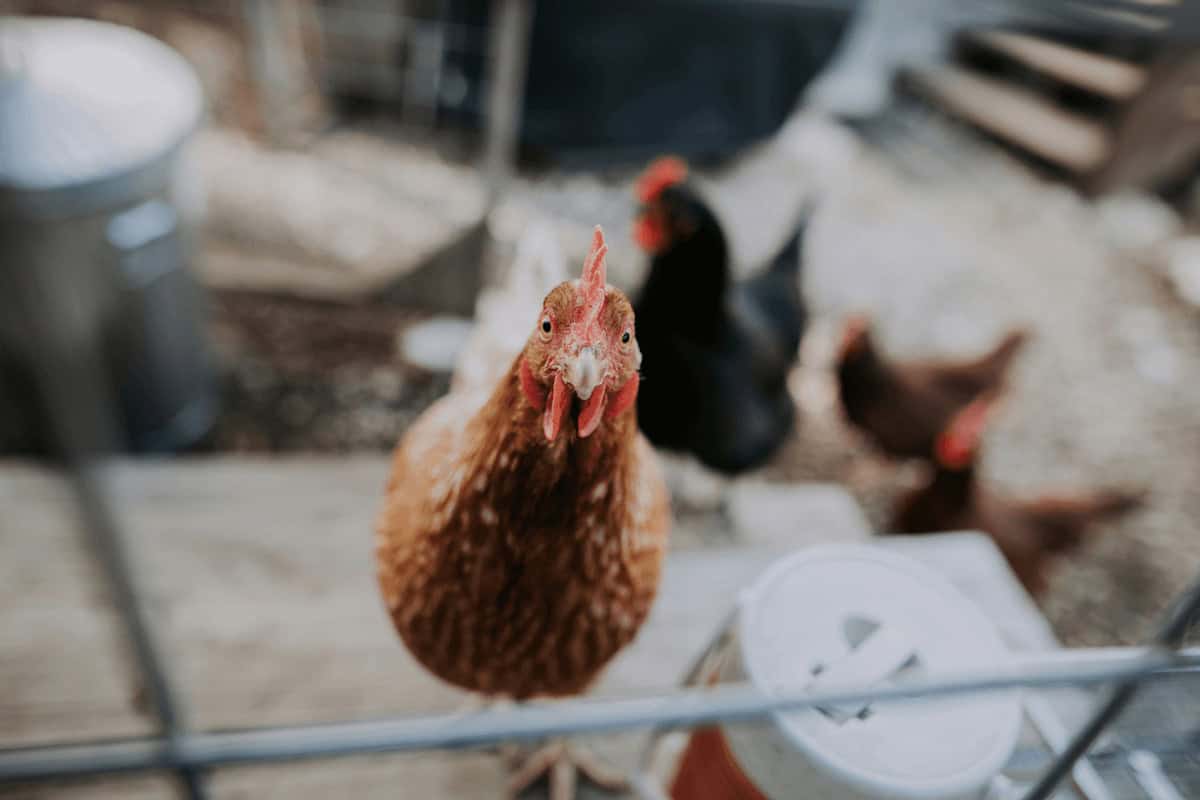
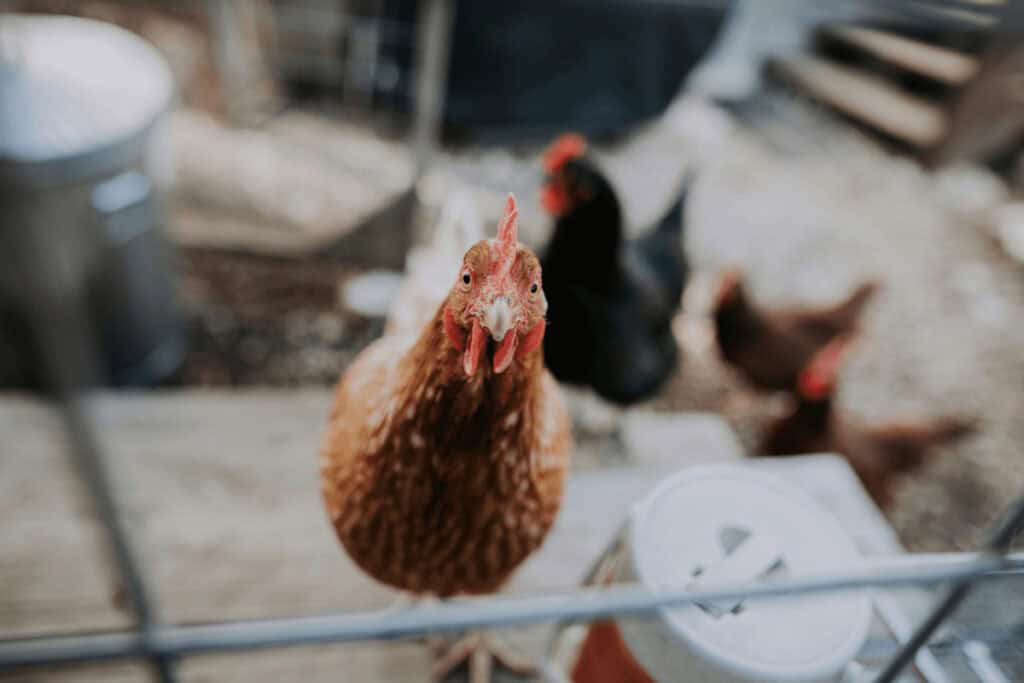
Animal-friendly education should extend beyond familiar companion animals. Chickens, cows, sheep, fish and wild animals also have species-specific needs and behaviours.
Families can discuss where food and other products come from, explore animal welfare standards and consider how human activities affect habitats. These conversations should be factual and suited to the child’s age.
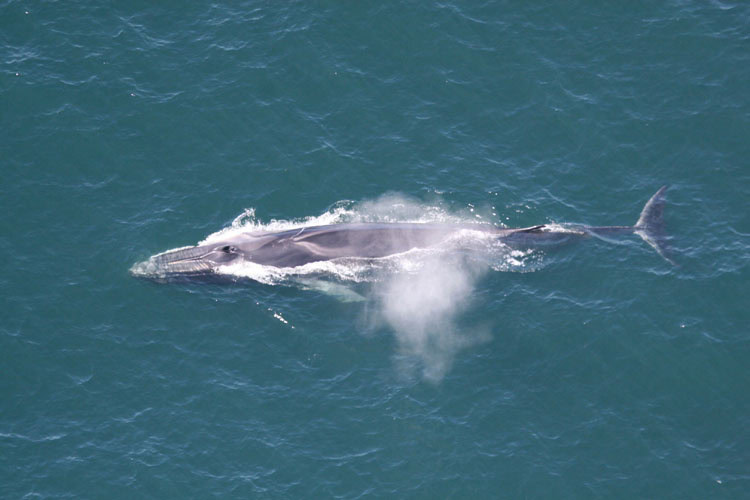
For wildlife, encourage observation from a safe distance. Do not feed wild animals or attempt to handle injured wildlife. Contact a licensed wildlife rescue organisation when assistance is needed.
Seven ways to raise animal-friendly kids
- Talk about animal feelings. Explain that animals can experience pain, fear and comfort. Encourage children to notice behaviour without assuming every animal feels exactly as a person does.
- Model respectful behaviour. Demonstrate patience around pets and avoid treating animals as toys or entertainment.
- Teach consent and boundaries. Show children how to recognise when an animal wants space. Never require an animal to tolerate hugs, handling or unwanted attention.
- Learn through observation. Watch birds, insects and other wildlife without disturbing nests, habitats or feeding patterns.
- Choose thoughtful stories. Read age-appropriate books and watch documentaries that show animals as living beings with their own needs.
- Involve children in appropriate care. Children can help prepare food or refresh water under adult supervision, but adults retain full responsibility for pets.
- Discuss everyday choices. Explore how food, clothing, tourism and household purchases can affect animal welfare, using age-appropriate examples.
Fun animal-friendly activities for children
Try a backyard wildlife diary, recording birds and insects without touching them. Read an animal story together and discuss what the animal might need. Create a quiet-space sign for a family pet. Research a native species and learn how to protect its habitat.
For older children, compare animal welfare information from credible organisations and discuss what makes a responsible wildlife tourism experience. The goal is informed curiosity, not guilt or fear.
Celebrate animals together: Take part in events like World Animal Day or create family traditions around animal kindness.
A kinder future for children and animals
By nurturing empathy and kindness toward animals, we’re not only helping children grow into emotionally intelligent individuals — we’re also shaping a more compassionate future for all living beings.
Whether through storytelling, everyday choices, or real-world experiences, these early lessons lay the foundation for a generation that values animals, protects nature, and chooses kindness.