Updated 15 September 2026
Searching for hypoallergenic dog breeds? No dog breed is guaranteed to be safe for people with pet allergies.
Low shedding does not mean allergen-free. This matters when choosing a dog, particularly if someone in your household has asthma.
Spring can also bring pollen exposure, making it important to identify what causes your symptoms.
What causes dog allergies?
ASCIA’s pet allergy guidance explains that dog allergens come primarily from saliva and spread through dander.
Dander includes material shed from skin and hair. All dog breeds can cause allergies.
A dog having hair rather than fur does not prevent allergen production. Neither does regular grooming eliminate it.
Speak with your GP or allergy specialist before bringing a dog home if allergies are a concern.
Ten breeds often described as hypoallergenic
The breeds below often appear in allergy-related searches. This is a coat-care overview, not a ranking of allergy safety.
Choose according to the individual dog’s welfare needs, temperament and your household’s capacity to provide lifelong care.
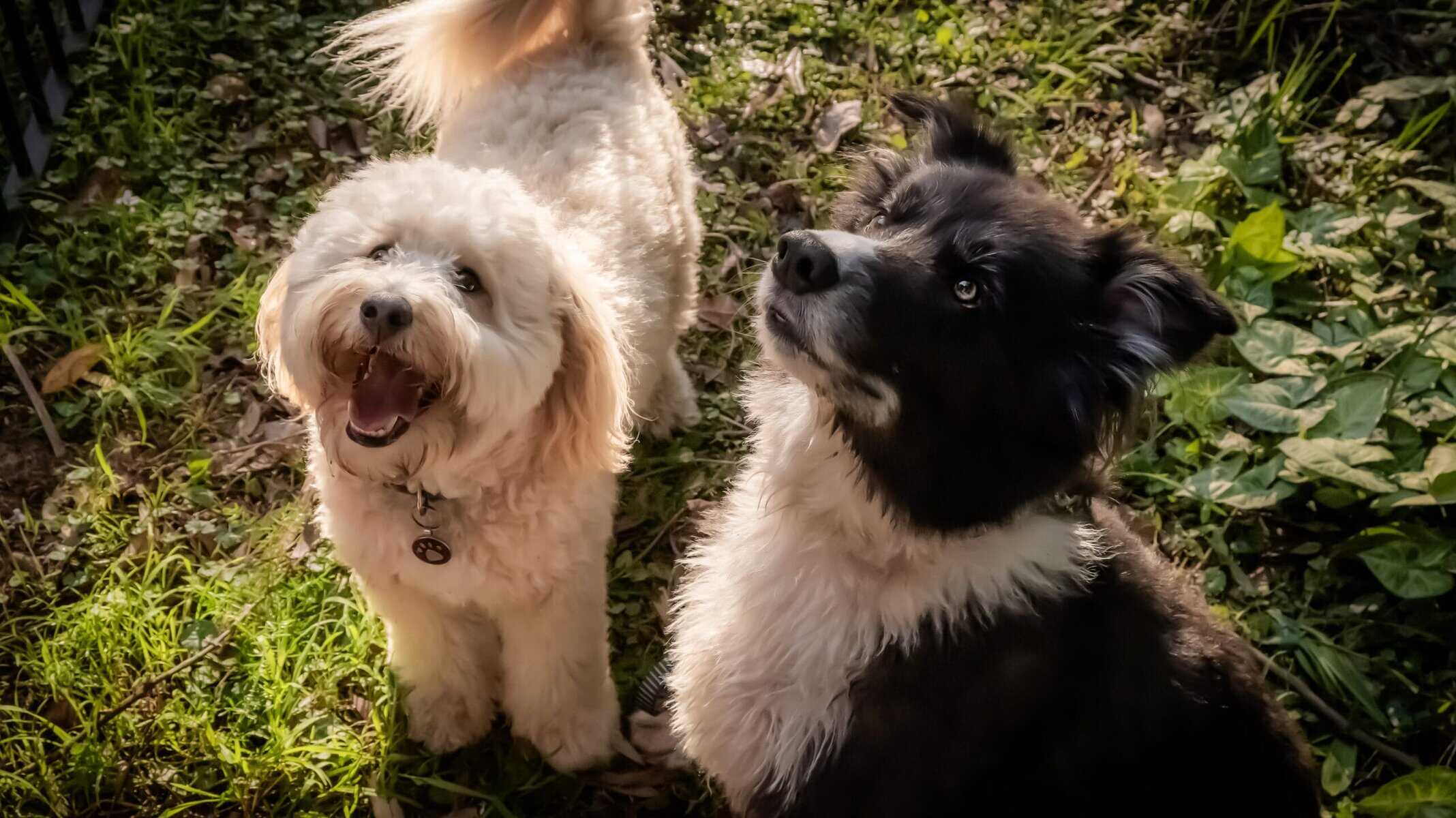
1. Poodle
Poodles have curly coats that need regular grooming. Their coat does not make them allergen-free.

2. Bichon Frise
Bichon Frises have fluffy coats that need regular brushing and professional grooming. Grooming cannot make a dog dander-free.

3. Maltese
Maltese dogs have long, silky coats. A shorter trim may simplify coat care, but it does not eliminate allergens.
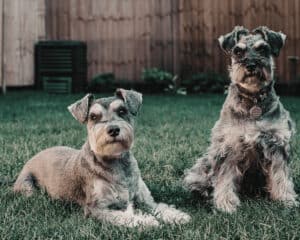
4. Schnauzer
Schnauzers come in miniature, standard and giant sizes. Consider their exercise, training and grooming needs alongside allergy concerns.
5. Shih Tzu
Shih Tzus need regular coat care. Assess the individual dog’s health, temperament and suitability for your household.

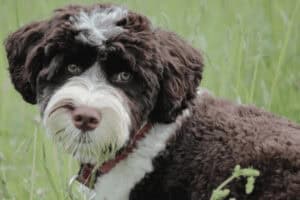
6. Portuguese Water Dog
Portuguese Water Dogs are active dogs with curly or wavy coats. Consider whether you can meet their activity needs.
7. Yorkshire Terrier
Yorkshire Terriers have silky coats requiring regular care. Their small size does not guarantee fewer allergy symptoms.

8. Havanese
Havanese dogs have coats that need consistent grooming. Allergic reactions still depend on the person and individual dog.
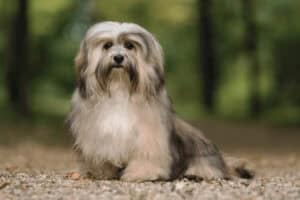
9. Lhasa Apso
Lhasa Apsos have dense coats that require regular grooming. Describing them as allergy-safe or completely non-shedding is misleading.

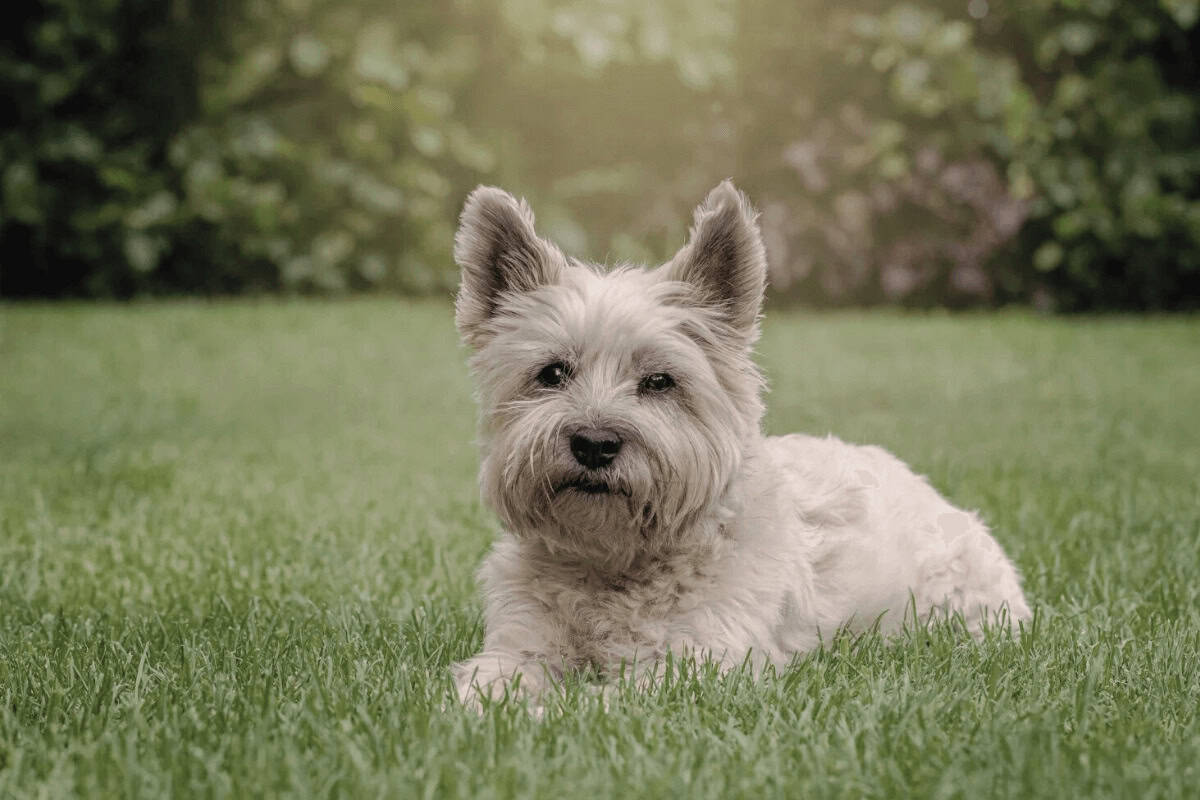
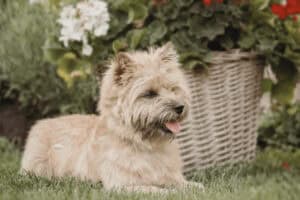
10. Cairn Terrier
Cairn Terriers have wiry coats and need regular grooming and exercise. They can still trigger allergic reactions.
Before choosing a pet when you have allergies
- Ask a doctor to investigate your symptoms and discuss suitable management.
- Explain any asthma history before considering a new pet.
- Do not rely on a breeder’s or seller’s hypoallergenic label.
- Discuss health, behaviour and grooming requirements with the rescue organisation or responsible breeder.
- Budget for ongoing care, including veterinary visits and grooming.
A brief visit without symptoms cannot guarantee that living with that dog will be comfortable.
For existing pet owners, ASCIA’s allergen minimisation advice includes keeping pets outside bedrooms and cleaning regularly.
Keep following your clinician’s treatment plan. An air purifier cannot make a dog allergen-free.
Read what air purifiers can and cannot do for allergies.
If your dog is the one scratching, see our spring pet health guide.
For broader family considerations, read choosing pets for children.