Updated 15 September 2026
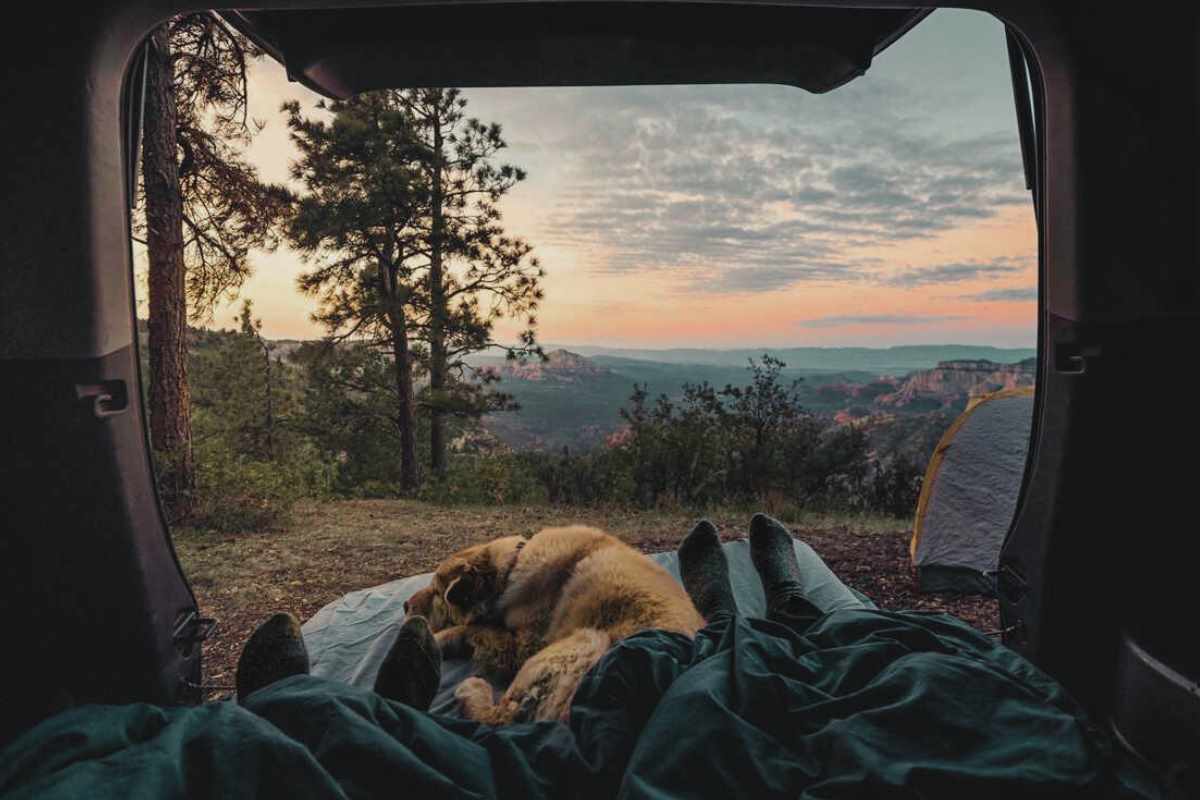
Camping with dogs in Australia requires a pet-friendly campsite, suitable equipment and a plan for local hazards.
Spring trips can involve warmer days, active wildlife, grass seeds and ticks. Check conditions before booking and again before departure.
Start with your dog’s needs. A busy campground or long drive may not suit every animal.

How to choose a dog-friendly campsite
Contact the operator to confirm that dogs are accepted on your dates and in your chosen site or accommodation.
Ask about lead rules, animal limits, restricted areas, shade, drinking water and secure boundaries.
Check nearby activities separately. A campsite accepting dogs does not mean neighbouring beaches or walking tracks allow them.
- Confirm the current pet policy directly with the operator.
- Check council maps and signs for beach and reserve access.
- Read park alerts, weather forecasts and fire restrictions.
- Locate the nearest vet and an after-hours service.
- Choose walks suited to your dog’s fitness and health.
Check national park rules before travelling
NSW national parks do not allow pet dogs. Check designated alternatives with the relevant land manager.
In Tasmania, consult the Parks and Wildlife Service dog access guide.
It lists permitted areas and restrictions. A nearby caravan park is not evidence that a national park walk accepts pets.
Rules for assistance animals differ from those for pets.

Camping gear for dogs: packing checklist
Pack for your dog’s routine and the forecast, rather than buying every travel accessory.
- Food and water: usual food, bowls and enough safe drinking water for the trip.
- Travel restraint: appropriate equipment to secure your dog in the vehicle.
- Lead and harness: plus identification showing current contact details.
- Bedding: a familiar bed or mat, with weather-appropriate shelter.
- Health supplies: prescribed medicines, veterinary contacts and a pet first-aid kit.
- Cleaning supplies: waste bags, towels and grooming equipment.
- Familiar toys: suitable items for supervised play and quiet time.
- Water activity equipment: a properly fitted dog life jacket where appropriate.
A tent or fabric pet shelter is not an escape-proof enclosure. Supervise your dog and provide secure, comfortable sleeping arrangements.
A GPS tracker can be useful, but it does not replace supervision, identification or a lead.
Carry safe drinking water. Do not assume a portable filter makes every creek or lake safe for your dog.
Choose any repellent, sunscreen or first-aid product with veterinary advice.
Optional bedding and equipment
This article contains affiliate links. Animal Friendly Life may receive a commission when readers buy through these links.
Existing options to compare include a raised pet travel bed and a pet tent.
Check current availability, dimensions, ventilation and suitability before purchase. These accessories do not replace safe supervision.
Keep your dog safe at camp
Use a lead where required and keep your dog under effective control. Never allow chasing or disturbing wildlife.
Choose cooler periods for exercise, provide shade and offer water regularly.
Keep dogs clear of campfires, hot cooking equipment, fishing hooks and discarded food.
Check coats and paws after walks. Discuss tick protection and other destination-specific risks with your vet before travel.
Read our spring pet health guide for warning signs requiring veterinary attention.
RSPCA’s road-trip advice covers preparation for dogs travelling by car.
Never leave your dog unattended in a vehicle.
Common questions about camping with dogs
Can dogs sleep in tents?
Yes, if the arrangement is secure, ventilated and comfortable. Introduce the tent before travelling and supervise your dog.
Can dogs run off lead at a campsite?
Only where the rules permit it and you can maintain effective control. Check with the operator before arrival.
How do you dispose of dog waste?
Collect it promptly and follow the campsite’s disposal instructions. Pack it out if suitable bins are unavailable.
What if my dog finds camping stressful?
Try a short outing first. Discuss ongoing anxiety with your vet and consider suitable care at home.
For accommodation and travel preparation, read our spring pet-friendly holiday guide.