An alleged Australian wildlife trafficking network has been caught smuggling exotic animals into the country. Biosecurity authorities say the illegal exotic animal ring attempted to smuggle pythons, iguanas, turtles, and tarantulas has been arrested in connection with wildlife trafficking Australia. The details of this case highlight the ongoing struggles against wildlife trafficking Australia and the urgent need for effective measures to combat these illegal activities.
The Department of Agriculture, Fisheries and Forestry released details of Operation Cascade on 1 October, outlining investigations that led to multiple prosecutions. This comprehensive operation involved numerous stakeholders and employed advanced methodologies to track and apprehend those involved in these pernicious activities.
The illegal wildlife trade is valued at billions of dollars worldwide, and it is essential to address wildlife trafficking Australia to prevent further declines in native species and ecological integrity.
Wildlife trafficking Australia poses significant threats to biodiversity and ecosystem stability, demanding immediate action and awareness within the community.
This operation highlights the serious issue of wildlife trafficking Australia, which poses significant risks to biodiversity and ecosystem health. The illegal wildlife trade is valued at billions of dollars worldwide, making it one of the most lucrative forms of organized crime.
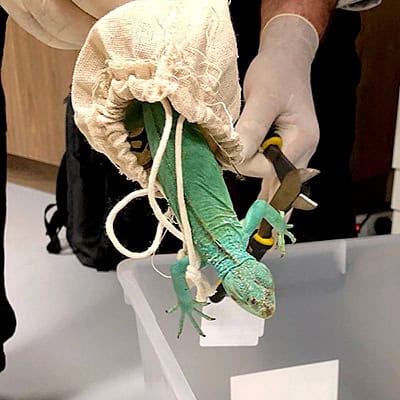
Illegal imports include ball pythons, Burmese pythons, iguanas, tarantulas, and albino softshell turtles. Each of these animals plays a critical role in their ecosystems, and wildlife trafficking Australia disrupts their populations, creating a ripple effect throughout the environment.
Investigators first detected the activity after inspecting an air cargo consignment that emitted an unpleasant odor. Further inquiries identified a wider network importing and distributing exotic wildlife.
This case serves as a crucial example of how individuals attempt to exploit Australia’s strict biosecurity measures. Wildlife trafficking Australia and the legal consequences faced by offenders emphasize the importance of vigilance and collaboration in protecting native species.
Victorian man Noah Ebert attempted to illegally import 14 exotic animals from the Philippines between August 2022 and August 2023, according to the department. His case serves as a crucial example of how individuals attempt to exploit Australia’s strict biosecurity measures and raises awareness about the need for vigilance in protecting native species.
The animals included ball pythons, Burmese pythons, iguanas, tarantulas, and albino softshell turtles.
Authorities warn that exotic animals may introduce diseases or establish invasive populations if released. Wildlife trafficking Australia can lead to declines in native populations and disrupt the natural order.
Wildlife smuggling investigation leads to convictions
Ebert was found guilty in Frankston Magistrates Court on 16 July 2026 and sentenced to four months imprisonment. The court ordered his release on his own recognizance, subject to 18 months of good behavior and a $1,000 bond. This ruling reflects the serious stance Australian courts are taking against wildlife trafficking and the implications it has for the environment.
The department says another man, Jesse Sayeg, was convicted and sentenced for animal trafficking offences in 2025. Other people linked to the network have been convicted under state legislation. The legal repercussions faced by these individuals serve as a warning to others who might consider engaging in similar illegal activities.
The community’s role is vital in combating wildlife trafficking Australia. Raising awareness about the signs of illegal activities can empower individuals to report suspicious behavior and protect biodiversity.
Operation Cascade involved federal and state agencies across Victoria, Queensland, and Western Australia. This multi-jurisdictional approach is essential for tackling the complexities of wildlife trafficking, as it often crosses state and national boundaries, requiring a coordinated response from various law enforcement bodies.
Illegal animal imports can threaten Australia’s biosecurity and native wildlife. Authorities warn that exotic animals may introduce diseases or establish invasive populations if released. These invasive species can outcompete native fauna for resources, leading to a decline in local populations and disrupting the natural order.
How to report illegal wildlife trafficking: Authorities encourage people to buy animals only from reputable Australian breeders and traders and to report suspicious wildlife trade. Awareness campaigns are crucial in educating the public about the signs of wildlife trafficking and the importance of conserving biodiversity.
Information about suspected biosecurity offences can be reported to the department’s Redline on 1800 798 636. Providing detailed information can assist authorities in their investigations and lead to successful prosecutions, ultimately contributing to the protection of Australia’s unique wildlife.
Information about suspected biosecurity offences can be reported to the department’s Redline on 1800 798 636.
Understanding wildlife trafficking Australia is crucial not only for conservation but also for public health. The interconnectedness of ecosystems means that the illegal wildlife trade can have unforeseen consequences for human health and safety.
The investigation concerns the illegal importation of exotic animals. It is distinct from recent investigations into Australian native reptiles being smuggled overseas. Understanding the difference between these cases is critical for the public to recognize the various dimensions of wildlife trafficking and its implications on both local and global scales.
Official investigation and photographs: Department of Agriculture, Fisheries and Forestry: Operation Cascade, 1 October 2026. The government release includes photographs of the seized exotic animals. Image credit: Department of Agriculture, Fisheries and Forestry.
Official investigation and photographs: gov.au/about/news/operation/cascade”>Department of Agriculture, Fisheries and Forestry: Operation Cascade, 1 October 2026. The government release includes photographs of the seized exotic animals. Image credit: Department of Agriculture, Fisheries and Forestry.
For information about Australian wildlife trade laws, visit the Australian Government wildlife trade guidance.
The impact of wildlife trafficking extends beyond individual species, affecting entire ecosystems and the services they provide.
The fight against wildlife trafficking Australia is a shared responsibility that calls for government action and community engagement. By working together, we can secure a sustainable future for Australia’s unique wildlife.
Each animal plays a vital role in maintaining the ecological balance, and their absence can lead to significant shifts in habitat dynamics.
Moreover, educational programs that promote awareness about wildlife trafficking Australia can inspire future generations to advocate for conservation and ethical treatment of all species.
For instance, the removal of a top predator can lead to an overpopulation of herbivores, resulting in overgrazing and the degradation of vegetation.
In conclusion, addressing wildlife trafficking Australia requires a comprehensive approach that includes education, law enforcement, and community involvement to protect our natural heritage and ensure the survival of endangered species.
Furthermore, wildlife trafficking contributes to the spread of zoonotic diseases, as wild animals can carry pathogens that can jump to humans. This relationship underscores the connection between wildlife conservation and public health, illustrating the broader implications of wildlife trafficking Australia.
Community awareness and education are crucial in combating wildlife trafficking. Engaging local communities in wildlife conservation efforts fosters a sense of responsibility and stewardship towards native species. Initiatives that promote responsible pet ownership and educate the public about the ecological significance of native wildlife can help reduce demand for illegal exotic pets.
Moreover, international cooperation is essential in the fight against wildlife trafficking. Countries must work together to strengthen enforcement measures, share intelligence, and support conservation initiatives. Global treaties, such as the Convention on International Trade in Endangered Species of Wild Fauna and Flora (CITES), play a significant role in regulating the international trade of wildlife and ensuring that it is sustainable.
In conclusion, the fight against wildlife trafficking Australia is a multifaceted challenge that requires the collective effort of individuals, communities, and governments. By raising awareness, strengthening laws, and promoting conservation, we can combat this illegal trade and protect our unique wildlife for future generations.
For information about Australian wildlife trade laws, visit the Australian Government wildlife trade guidance. Understanding these laws is essential for anyone involved in the trade, ensuring that they operate within legal parameters and contributing to the conservation of Australia’s rich biodiversity.